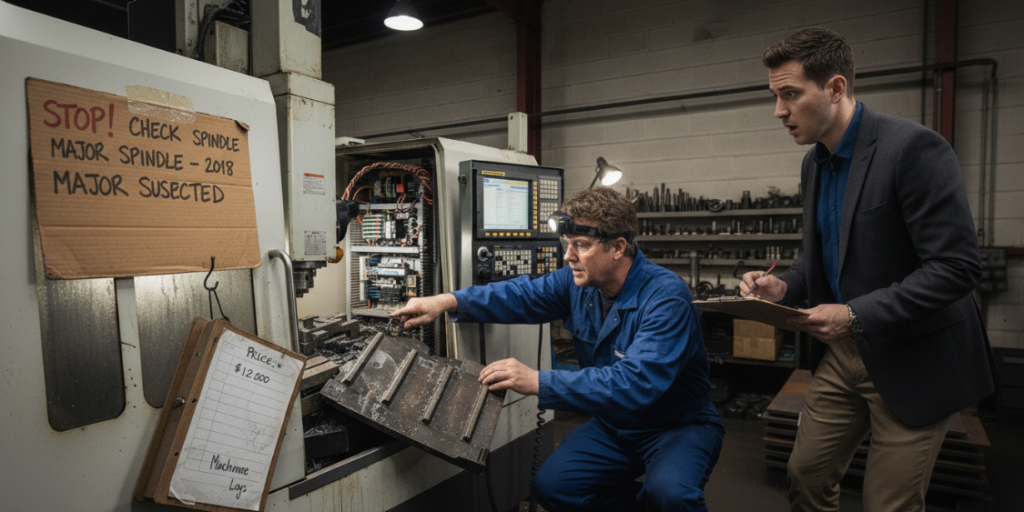

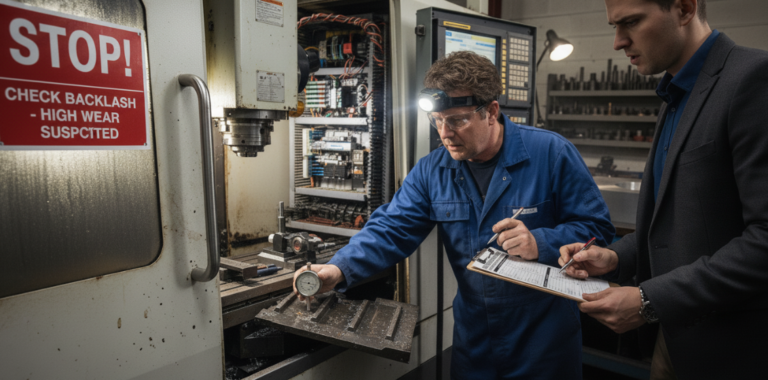
When evaluating a used CNC machine, most buyers focus on price, brand, and controller features.
But one critical component often gets ignored — the spindle.
Overlooking spindle condition is one of the most expensive common mistakes when buying used CNC machines, and it’s a mistake that can quietly destroy productivity, accuracy, and profit.
In this guide, we’ll explain why spindle health matters so much, how buyers miss warning signs, and how to properly evaluate a spindle before committing to a used CNC machine.
Why the Spindle Is the Heart of a CNC Machine
The spindle does more than spin tools.
It directly impacts:
- Cutting accuracy
- Surface finish
- Cycle time
- Tool life
- Machine reliability
A used CNC machine with a weak spindle may still “run,” but it won’t perform under real production loads.
Why Buyers Overlook Spindle Condition
This mistake happens because:
- Spindle problems aren’t always visible
- Short demo runs hide issues
- Sellers avoid high-RPM tests
- Buyers don’t know what to listen for
A spindle can sound “okay” at low speed and fail completely under load.
The Hidden Cost of a Bad Spindle
Spindle repair or replacement is one of the most expensive CNC repairs.
Costs may include:
- Bearing replacement
- Spindle rebuild
- Downtime and lost production
- Precision balancing
In many cases, spindle repair alone costs more than the discount gained by buying used.
Common Signs of Spindle Problems
When inspecting a used CNC machine, watch for:
- Unusual noise at high RPM
- Excessive vibration
- Heat buildup after short runs
- Poor surface finish
- Tool chatter during cutting
These are early warnings that buyers often ignore.
Why a Clean Spindle Can Be Misleading
Some sellers clean machines thoroughly before showing them.
A clean exterior does not guarantee:
- Healthy spindle bearings
- Proper lubrication
- Balanced rotation
One of the most common mistakes when buying used CNC machines is trusting appearance over performance.
How Spindle Wear Develops Over Time
Spindle wear increases due to:
- Heavy roughing operations
- Poor cooling and lubrication
- Long production hours
- Frequent tool crashes
Even premium brands can suffer spindle damage if abused.
Simple Spindle Checks Every Buyer Should Do
You don’t need advanced tools to evaluate spindle condition.
Basic checks include:
- Running spindle at maximum RPM
- Listening for abnormal noise
- Checking for vibration
- Monitoring temperature rise
- Inspecting tool taper condition
Skipping these steps is a costly risk.
Real Buyer Mistake: “It Ran Fine During the Demo”
A common scenario:
- Machine runs smoothly for 10 minutes
- Buyer approves purchase
- After installation, vibration appears
- Surface finish deteriorates
Short demos don’t reveal spindle fatigue.
Why Sellers Avoid Long Spindle Tests
Extended high-RPM tests:
- Reveal bearing wear
- Expose vibration
- Show heat issues
That’s why buyers must request them.
Spindle Condition vs Machine Price
Many buyers accept spindle risk to get a lower price.
This is dangerous because:
- Spindle failure stops production instantly
- Repairs take weeks
- Resale value drops sharply
A slightly higher-priced used CNC machine with a healthy spindle is almost always the better deal.
How Smart Buyers Avoid This Mistake
Experienced buyers:
- Insist on full spindle testing
- Factor spindle hours into pricing
- Walk away from uncertain machines
- Budget realistically for repairs
They understand that spindle health determines machine value.
Quick Checklist: Spindle Evaluation
Before buying a used CNC machine:
- ✅ Test at full RPM
- ✅ Listen for abnormal sounds
- ✅ Check for vibration
- ✅ Inspect tool taper
- ✅ Ask about rebuild history
Final Thoughts: Never Ignore the Spindle
Overlooking spindle condition is one of the most damaging common mistakes when buying used CNC machines.
A used CNC machine is only as good as its spindle.
If the spindle fails:
- Accuracy suffers
- Productivity drops
- Costs rise
In the used CNC market, spindle health isn’t optional — it’s essential.
Keep Learning
Explore more expert insights on Common Mistakes When Buying Used CNC Machines, buying checklists, and inspection guides at
UsedCNCMachineForSale.com
When evaluating a used CNC machine, most buyers focus on price, brand, and controller features.
But one critical component often gets ignored — the spindle.
Overlooking spindle condition is one of the most expensive common mistakes when buying used CNC machines, and it’s a mistake that can quietly destroy productivity, accuracy, and profit.
In this guide, we’ll explain why spindle health matters so much, how buyers miss warning signs, and how to properly evaluate a spindle before committing to a used CNC machine.
Why the Spindle Is the Heart of a CNC Machine
The spindle does more than spin tools.
It directly impacts:
- Cutting accuracy
- Surface finish
- Cycle time
- Tool life
- Machine reliability
A used CNC machine with a weak spindle may still “run,” but it won’t perform under real production loads.
Why Buyers Overlook Spindle Condition
This mistake happens because:
- Spindle problems aren’t always visible
- Short demo runs hide issues
- Sellers avoid high-RPM tests
- Buyers don’t know what to listen for
A spindle can sound “okay” at low speed and fail completely under load.
The Hidden Cost of a Bad Spindle
Spindle repair or replacement is one of the most expensive CNC repairs.
Costs may include:
- Bearing replacement
- Spindle rebuild
- Downtime and lost production
- Precision balancing
In many cases, spindle repair alone costs more than the discount gained by buying used.
Common Signs of Spindle Problems
When inspecting a used CNC machine, watch for:
- Unusual noise at high RPM
- Excessive vibration
- Heat buildup after short runs
- Poor surface finish
- Tool chatter during cutting
These are early warnings that buyers often ignore.
Why a Clean Spindle Can Be Misleading
Some sellers clean machines thoroughly before showing them.
A clean exterior does not guarantee:
- Healthy spindle bearings
- Proper lubrication
- Balanced rotation
One of the most common mistakes when buying used CNC machines is trusting appearance over performance.
How Spindle Wear Develops Over Time
Spindle wear increases due to:
- Heavy roughing operations
- Poor cooling and lubrication
- Long production hours
- Frequent tool crashes
Even premium brands can suffer spindle damage if abused.
Simple Spindle Checks Every Buyer Should Do
You don’t need advanced tools to evaluate spindle condition.
Basic checks include:
- Running spindle at maximum RPM
- Listening for abnormal noise
- Checking for vibration
- Monitoring temperature rise
- Inspecting tool taper condition
Skipping these steps is a costly risk.
Real Buyer Mistake: “It Ran Fine During the Demo”
A common scenario:
- Machine runs smoothly for 10 minutes
- Buyer approves purchase
- After installation, vibration appears
- Surface finish deteriorates
Short demos don’t reveal spindle fatigue.
Why Sellers Avoid Long Spindle Tests
Extended high-RPM tests:
- Reveal bearing wear
- Expose vibration
- Show heat issues
That’s why buyers must request them.
Spindle Condition vs Machine Price
Many buyers accept spindle risk to get a lower price.
This is dangerous because:
- Spindle failure stops production instantly
- Repairs take weeks
- Resale value drops sharply
A slightly higher-priced used CNC machine with a healthy spindle is almost always the better deal.
How Smart Buyers Avoid This Mistake
Experienced buyers:
- Insist on full spindle testing
- Factor spindle hours into pricing
- Walk away from uncertain machines
- Budget realistically for repairs
They understand that spindle health determines machine value.
Quick Checklist: Spindle Evaluation
Before buying a used CNC machine:
- ✅ Test at full RPM
- ✅ Listen for abnormal sounds
- ✅ Check for vibration
- ✅ Inspect tool taper
- ✅ Ask about rebuild history
Final Thoughts: Never Ignore the Spindle
Overlooking spindle condition is one of the most damaging common mistakes when buying used CNC machines.
A used CNC machine is only as good as its spindle.
If the spindle fails:
- Accuracy suffers
- Productivity drops
- Costs rise
In the used CNC market, spindle health isn’t optional — it’s essential.
Keep Learning
Explore more expert insights on Common Mistakes When Buying Used CNC Machines, buying checklists, and inspection guides at
UsedCNCMachineForSale.com