When people buy a used CNC machine, one mistake causes more regret than almost any other:
👉 Skipping proper inspection.
It usually doesn’t happen because buyers don’t care.
It happens because they trust too quickly, feel rushed, or assume that “everything looks fine.”
Unfortunately, in the world of used CNC machines, what you don’t inspect can cost more than what you buy.
This article explains why skipping inspection is one of the most common mistakes when buying used CNC machines, what buyers miss, and how to avoid costly surprises.
Why Buyers Skip Inspection in the First Place
Many buyers convince themselves inspection isn’t necessary because:
- The seller seems honest
- The machine looks clean
- Photos and videos look convincing
- They want to close the deal quickly
- Travel or time feels inconvenient
These reasons feel practical — but they’re risky.
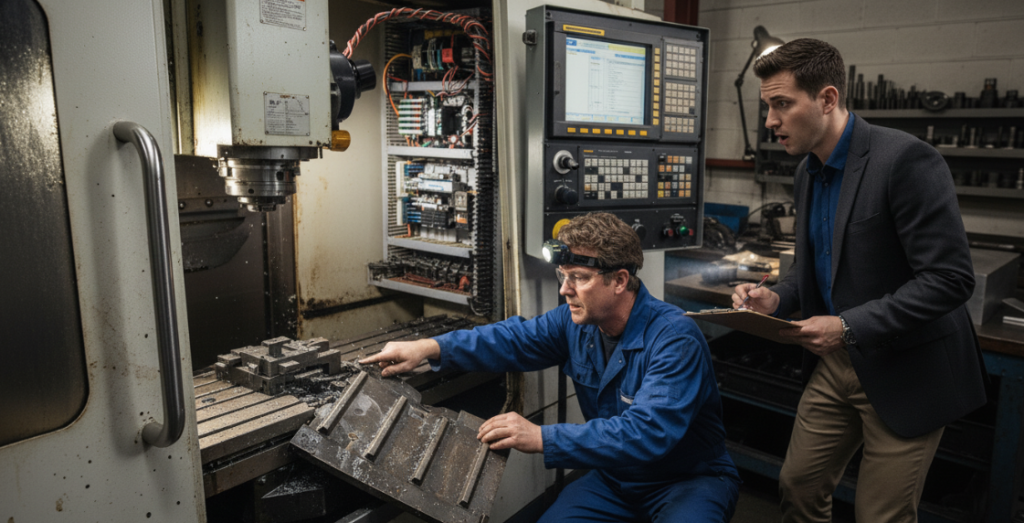
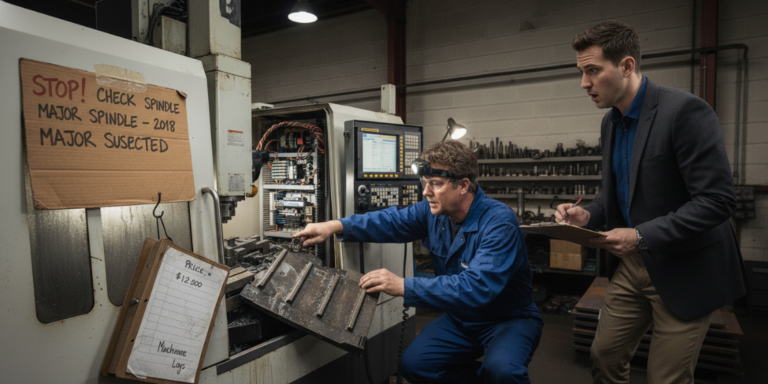
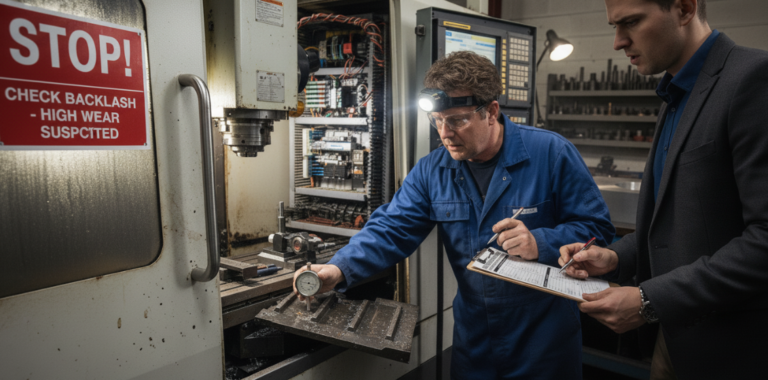
A used CNC machine is not like buying standard equipment. Every machine has hidden wear, and inspection is the only way to uncover it.
Why Visual Checks Are Not Enough
One of the biggest misunderstandings is believing that appearance equals condition.
A used CNC machine can:
- Look clean but have worn ball screws
- Run smoothly at low speed but vibrate at high RPM
- Power on perfectly but fail accuracy tests
- Pass short demos but fail long production runs
Only a structured inspection reveals the truth.
What Buyers Miss When They Skip Inspection
When inspection is skipped, buyers often miss:
🔹 Mechanical Wear
- Guideway scoring
- Backlash in ball screws
- Axis misalignment
🔹 Spindle Issues
- Bearing noise
- Heat buildup
- Runout problems
🔹 Electrical Problems
- Aging drives
- Dust and oil inside control cabinets
- Modified wiring
🔹 Accuracy Loss
- Poor repeatability
- Inconsistent dimensions
- Surface finish defects
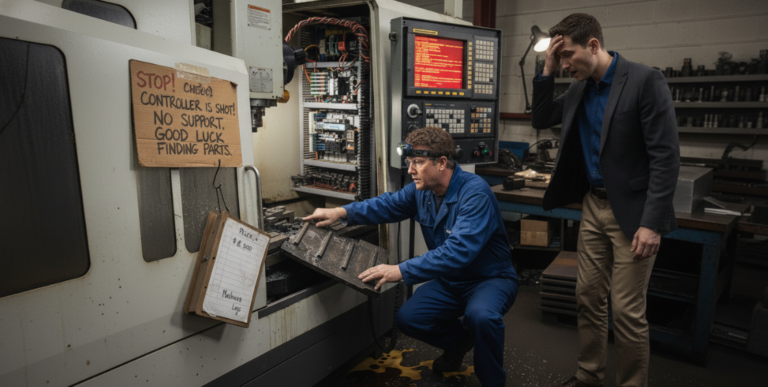
These issues usually appear after installation, when fixing them is expensive.
Real-Life Scenario: The Cost of Not Inspecting
A buyer purchases a used CNC machine based on photos and a short video demo.
After installation:
- Accuracy issues appear
- Tool life drops
- Spindle noise increases
The machine runs — but production quality suffers.
What looked like a good deal turns into lost time, rework, and unplanned repair costs.
All because inspection was skipped.
Why Sellers Rarely Object to Inspection (And Why You Shouldn’t Either)
Honest sellers expect inspection.
Reputable sellers encourage it.
If a seller:
- Avoids test cuts
- Rushes the sale
- Refuses detailed inspection
…it’s often a warning sign.
A used CNC machine that can’t pass inspection doesn’t deserve your investment.
What a Proper Used CNC Machine Inspection Actually Includes
A professional inspection doesn’t have to be complicated.
At minimum, it should include:
- Axis movement and smoothness checks
- Backlash measurement
- Spindle noise and vibration testing
- Controller alarm history review
- Electrical cabinet inspection
- Accuracy tests or test cuts
Even a basic inspection can prevent major mistakes.
“I’ll Fix It Later” — A Dangerous Assumption
Many buyers think:
“I’ll repair small issues after purchase.”
The reality:
- CNC repairs are rarely small
- Parts and downtime add up quickly
- Some wear cannot be economically repaired
A used CNC machine should perform acceptably from day one.
Why Inspection Protects Your Negotiation Power
Inspection isn’t just about avoiding bad machines — it strengthens negotiation.
When you inspect:
- You understand true machine value
- You identify real issues
- You negotiate based on facts, not emotion
Skipping inspection often means overpaying — even for average machines.
How Smart Buyers Avoid This Common Mistake
Experienced buyers follow simple rules:
- Never finalize a purchase without inspection
- Never rely on photos alone
- Always perform test cuts when possible
- Bring a checklist, not assumptions
They know inspection costs a little time — but saves a lot of money.
Quick Reminder: Why Skipping Inspection Is So Risky
When buying a used CNC machine:
- ❌ Appearance ≠ condition
- ❌ Seller promises ≠ machine performance
- ✅ Inspection = protection
- ✅ Testing = confidence
Final Thoughts: Inspection Is Not Optional
Skipping proper inspection is one of the most common mistakes when buying used CNC machines, and it’s also one of the most avoidable.
A used CNC machine should be evaluated, tested, and understood — not guessed.
If you inspect carefully, you:
- Reduce risk
- Protect your investment
- Improve long-term performance
In the used CNC market, inspection is not a delay — it’s insurance.
Continue Learning
Explore more expert guides on Common Mistakes When Buying Used CNC Machines, inspections, and buyer strategies at
UsedCNCMachineForSale.com
When people buy a used CNC machine, one mistake causes more regret than almost any other:
👉 Skipping proper inspection.
It usually doesn’t happen because buyers don’t care.
It happens because they trust too quickly, feel rushed, or assume that “everything looks fine.”
Unfortunately, in the world of used CNC machines, what you don’t inspect can cost more than what you buy.
This article explains why skipping inspection is one of the most common mistakes when buying used CNC machines, what buyers miss, and how to avoid costly surprises.
Why Buyers Skip Inspection in the First Place
Many buyers convince themselves inspection isn’t necessary because:
- The seller seems honest
- The machine looks clean
- Photos and videos look convincing
- They want to close the deal quickly
- Travel or time feels inconvenient
These reasons feel practical — but they’re risky.
A used CNC machine is not like buying standard equipment. Every machine has hidden wear, and inspection is the only way to uncover it.
Why Visual Checks Are Not Enough
One of the biggest misunderstandings is believing that appearance equals condition.
A used CNC machine can:
- Look clean but have worn ball screws
- Run smoothly at low speed but vibrate at high RPM
- Power on perfectly but fail accuracy tests
- Pass short demos but fail long production runs
Only a structured inspection reveals the truth.
What Buyers Miss When They Skip Inspection
When inspection is skipped, buyers often miss:
🔹 Mechanical Wear
- Guideway scoring
- Backlash in ball screws
- Axis misalignment
🔹 Spindle Issues
- Bearing noise
- Heat buildup
- Runout problems
🔹 Electrical Problems
- Aging drives
- Dust and oil inside control cabinets
- Modified wiring
🔹 Accuracy Loss
- Poor repeatability
- Inconsistent dimensions
- Surface finish defects
These issues usually appear after installation, when fixing them is expensive.
Real-Life Scenario: The Cost of Not Inspecting
A buyer purchases a used CNC machine based on photos and a short video demo.
After installation:
- Accuracy issues appear
- Tool life drops
- Spindle noise increases
The machine runs — but production quality suffers.
What looked like a good deal turns into lost time, rework, and unplanned repair costs.
All because inspection was skipped.
Why Sellers Rarely Object to Inspection (And Why You Shouldn’t Either)
Honest sellers expect inspection.
Reputable sellers encourage it.
If a seller:
- Avoids test cuts
- Rushes the sale
- Refuses detailed inspection
…it’s often a warning sign.
A used CNC machine that can’t pass inspection doesn’t deserve your investment.
What a Proper Used CNC Machine Inspection Actually Includes
A professional inspection doesn’t have to be complicated.
At minimum, it should include:
- Axis movement and smoothness checks
- Backlash measurement
- Spindle noise and vibration testing
- Controller alarm history review
- Electrical cabinet inspection
- Accuracy tests or test cuts
Even a basic inspection can prevent major mistakes.
“I’ll Fix It Later” — A Dangerous Assumption
Many buyers think:
“I’ll repair small issues after purchase.”
The reality:
- CNC repairs are rarely small
- Parts and downtime add up quickly
- Some wear cannot be economically repaired
A used CNC machine should perform acceptably from day one.
Why Inspection Protects Your Negotiation Power
Inspection isn’t just about avoiding bad machines — it strengthens negotiation.
When you inspect:
- You understand true machine value
- You identify real issues
- You negotiate based on facts, not emotion
Skipping inspection often means overpaying — even for average machines.
How Smart Buyers Avoid This Common Mistake
Experienced buyers follow simple rules:
- Never finalize a purchase without inspection
- Never rely on photos alone
- Always perform test cuts when possible
- Bring a checklist, not assumptions
They know inspection costs a little time — but saves a lot of money.
Quick Reminder: Why Skipping Inspection Is So Risky
When buying a used CNC machine:
- ❌ Appearance ≠ condition
- ❌ Seller promises ≠ machine performance
- ✅ Inspection = protection
- ✅ Testing = confidence
Final Thoughts: Inspection Is Not Optional
Skipping proper inspection is one of the most common mistakes when buying used CNC machines, and it’s also one of the most avoidable.
A used CNC machine should be evaluated, tested, and understood — not guessed.
If you inspect carefully, you:
- Reduce risk
- Protect your investment
- Improve long-term performance
In the used CNC market, inspection is not a delay — it’s insurance.
Continue Learning
Explore more expert guides on Common Mistakes When Buying Used CNC Machines, inspections, and buyer strategies at
UsedCNCMachineForSale.com